
Travel Gear
Begin with seven trip facts
- Transport: note every flight, train, coach, ferry, hire car and long walk between accommodation.
- Baggage rules: record the smallest relevant cabin, personal-item and checked-bag limits. The strictest operator often controls the whole route.
- Trip length: decide how often you can wash clothing rather than packing one outfit for every day.
- Climate and activities: separate ordinary sightseeing from specialist needs such as hiking, water activities or formal events.
- Accommodation: lifts, stairs, shared rooms, storage and laundry access all affect the gear that is convenient.
- Physical comfort: consider realistic carry weight, strap fit, grip strength, mobility and the time spent standing or walking.
- Budget and replacement risk: spend where failure would cause the greatest disruption, not where marketing is loudest.
The core travel gear categories
Luggage and bags
Your main bag sets the limits for almost everything else. Compare external dimensions, empty weight, carrying method, wheel and handle design, access, security, repairability and warranty terms. Continue to Luggage & Bags.
Packing and organisation
A small number of organisers can make repeated packing easier, but too many pouches add weight and hide what you have brought. Start with clothing, toiletries, laundry, documents and frequently used items. Continue to Packing Essentials.
Travel technology
List the devices you genuinely need, then work backwards to chargers, cables, plug adapters, power banks, storage and connectivity. Check current operator rules for batteries and confirm whether an appliance supports the destination voltage. Continue to Travel Tech.
Safety and security
No accessory removes travel risk. Sensible security is layered: discreet storage, backups, awareness, suitable locks, tracking where useful and a plan for lost documents or devices. Continue to Travel Safety & Security Gear.
Comfort and organisation
Comfort gear is personal. A neck pillow, eye mask, earplugs or seat organiser is useful only when it fits the traveller, transport and available space. Continue to Travel Comfort & Organisation.
Day-trip and outdoor gear
Short outings usually need a compact system for water, weather, sun protection, small valuables and activity-specific items. Avoid turning every day trip into a full expedition load. Continue to Day-Trip & Outdoor Gear.
Buy, borrow, rent or use what you own?
| Option | Best used when | Check before deciding |
|---|---|---|
| Use what you own | The item fits, functions safely and meets the operator or activity requirements. | Condition, dimensions, weight, compatibility and whether a minor repair would extend its life. |
| Buy | The item will be used repeatedly or failure would be costly and disruptive. | Returns, warranty, spare parts, independent evidence and total delivered price. |
| Borrow | The need is occasional and fit is not highly personal. | Condition, hygiene, liability, charging compatibility and return timing. |
| Rent locally | The item is bulky, specialist or difficult to transport. | Availability, deposits, quality, sizing, insurance and the provider’s safety process. |
A practical spending order
- Meet safety, legal and transport requirements.
- Protect documents, medication and essential devices.
- Choose a reliable main bag that fits the journey.
- Solve repeated friction such as tangled charging cables or inaccessible toiletries.
- Add comfort items only after testing whether they suit you.
- Leave novelty products until the rest of the kit has proved its value.
Before adding an item to the packing list
Ask whether it has a specific job, whether something else already does that job, how often it will be used, what it weighs, where it will be stored and what happens if it is lost. The strongest travel kit is not the largest one; it is the one whose items are understood and used.
Next, create a reusable plan with the Travel Packing Lists hub or score a purchase with How to Choose Travel Gear.
Latest travel gear guides
Browse the newest research-led guides across every Travel Gear category.
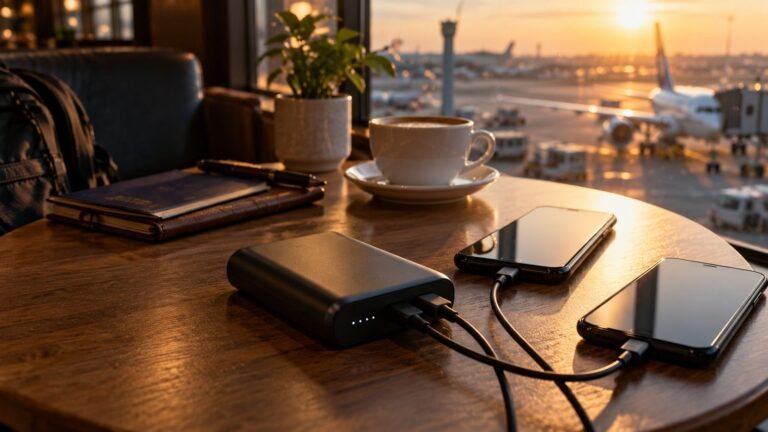
How to Convert mAh to Wh for Airline Battery Rules
An airline-focused battery conversion guide with worked examples, voltage traps, label checks and a practical decision process for cabin baggage.
Read the guide
How Many Phone Charges Does a 10,000mAh Power Bank Give?
A clear guide to usable power-bank capacity, with worked examples, a phone-size comparison, charging advice and a repeatable way to check your own kit.
Read the guide
Top 10 Dry Bags for Beach and Boat Trips
Ten research-led dry bag choices, with a comparison table, honest water-protection limits and practical advice on sizing, sealing and carrying beach kit.
Read the guide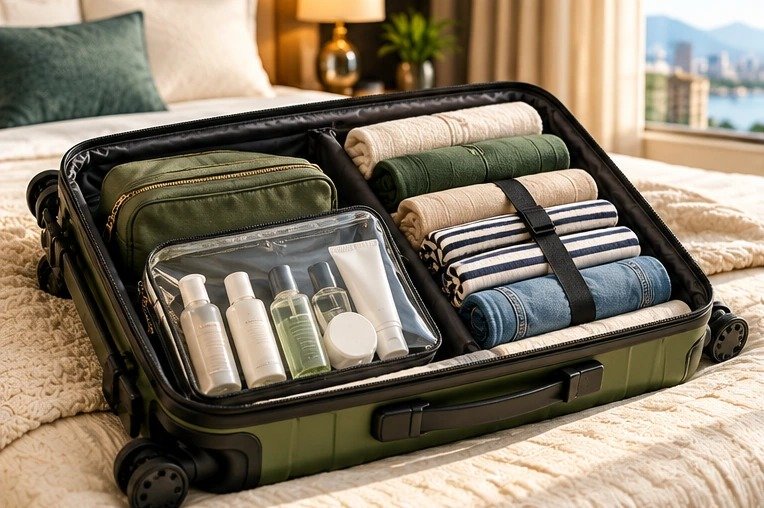
How to Stop Toiletries Leaking in Your Suitcase
Learn how to stop toiletries leaking with suitable bottles, secure closures, spill barriers and a practical packing check for cabin and checked luggage.
Read the guide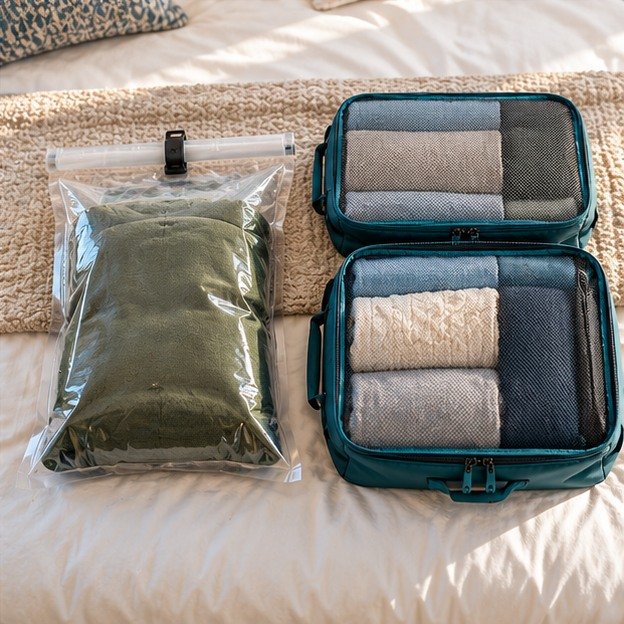
Vacuum Bags vs Compression Cubes: Which Is Better for Travel?
Choose between travel vacuum bags and zip-compression cubes by your clothing, bag shape and unpacking routine. Compare seven options without treating advertised space savings as test results.
Read the guide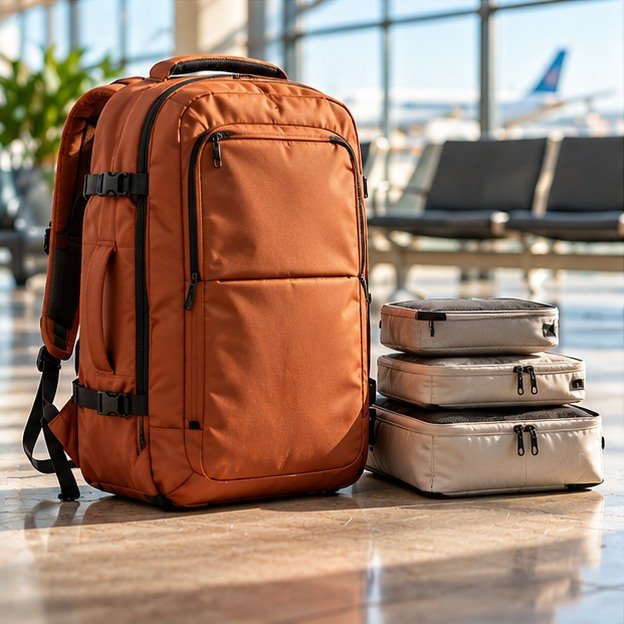
How to Pack a Travel Backpack So It Stands Upright
A practical guide to making a travel backpack stand more reliably: flatten the footprint, contain shifting loads, balance pockets and know when lying the bag down is safer.
Read the guide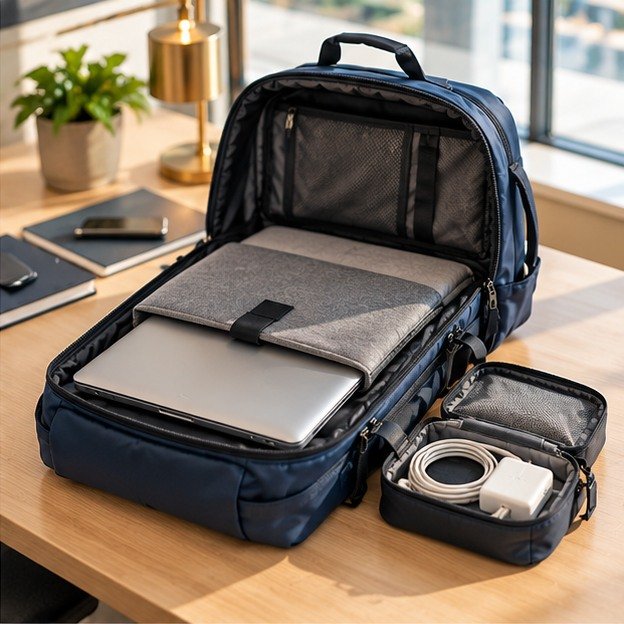
How to Pack a Laptop Safely in a Personal-Item Bag
Protect a laptop in a small underseat bag without relying on a sleeve alone. Check fit, isolate chargers and liquids, avoid pressure points and prepare for security or a gate-check.
Read the guide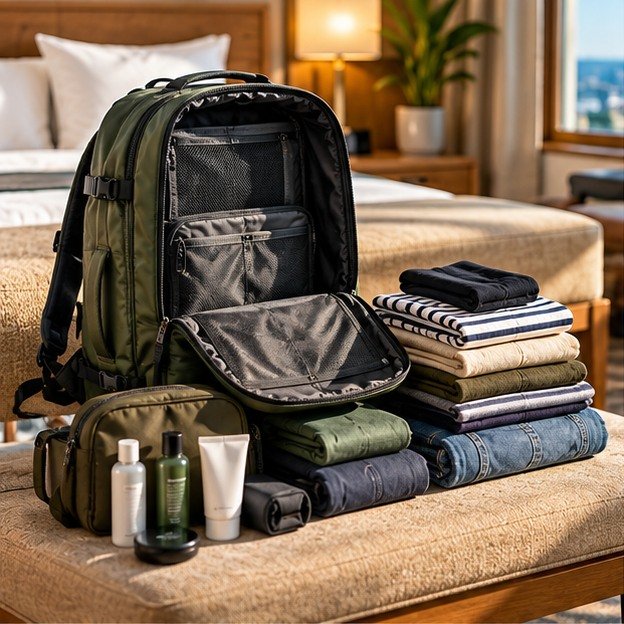
What Size Backpack Do You Need for a 3-Day Trip?
Choose a three-day backpack using your real packing list, usable space and airline dimensions. Compare four compact bags and learn when 20, 25, 30 or 35 litres makes sense.
Read the guide
How to Stop a Four-Wheel Suitcase Tipping Over
Find out why a four-wheel suitcase tips, separate balance problems from rolling, and work through free packing fixes, wheel checks and sensible repair decisions.
Read the guide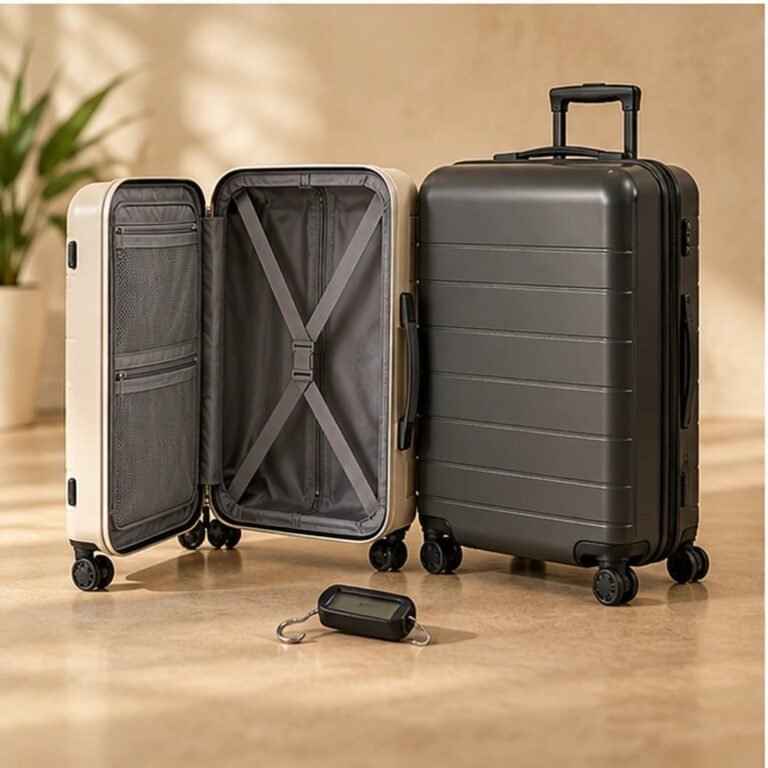
How Heavy Should an Empty Suitcase Be?
Compare empty suitcase weights by size, see how much allowance the shell consumes and calculate the effect of organisers before deciding whether to keep, repair or replace your luggage.
Read the guide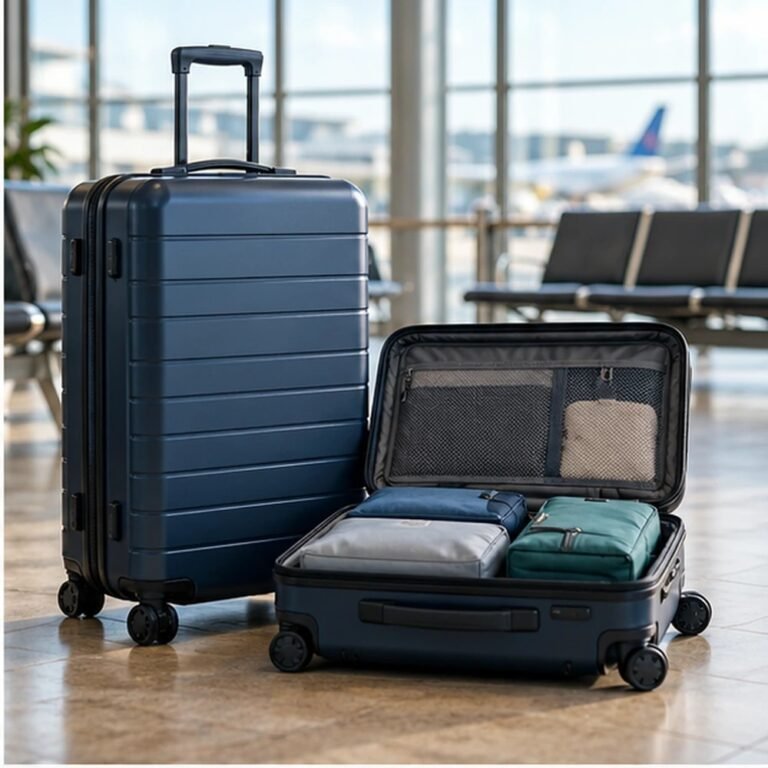
Best Suitcase Size for a 23kg Baggage Allowance
Medium or large for 23kg? Compare exact suitcase specifications, understand combined-size limits and expansion, and plan a manageable load with room for the return journey.
Read the guide
Best Suitcase Size for a 20kg Baggage Allowance
Choose a suitcase for a 20kg allowance without confusing litres with kilograms. Compare medium-case specifications, create a complete weight budget and trial-pack before buying.
Read the guide