
Day-Trip & Outdoor Gear
Start with the outing, not a universal checklist
Record the duration, terrain, shade, water access, forecast, transport, phone coverage, opening times and the point at which help would be difficult to reach. A museum day in a city, a boat trip and a mountain walk need very different equipment.
The compact core
- Water capacity appropriate to the conditions and refill opportunities.
- Weather protection suitable for the forecast and exposure.
- Sun protection where relevant.
- Essential medication and a basic first-aid provision proportionate to the activity.
- Phone, offline information and a practical power plan.
- Money, identification and booking details carried securely.
- A small amount of food when services are uncertain or delays would matter.
Choosing a daypack
Check fit, ventilation, access, water-bottle retention, internal organisation, empty weight and how the bag behaves when partly filled. A very large daypack invites unnecessary gear. A packable bag saves space in the main luggage but may offer little structure or comfort when loaded.
For crowded urban trips, consider zip access and how valuables are positioned. For outdoor use, assess weather protection, stability, attachment points and whether the capacity supports the actual safety requirements.
Rain, water and dry storage
“Water resistant” does not mean waterproof. A rain cover protects much of a backpack but may leave the back panel and straps exposed. A properly closed dry bag or waterproof pouch can protect selected contents, but only when the closure, seams and rating match the use. Test critical storage before relying on it and keep documents or electronics in a secondary protective layer when consequences are high.
Footwear and clothing
Match footwear to terrain, duration, load and the traveller’s tested comfort. New footwear should not be introduced on the hardest day of a trip. Layering often gives more flexibility than one heavy item, but every layer should have a clear role. Activity providers may specify footwear or protective equipment; follow their current requirements.
Specialist activities
Climbing, cycling, diving, paddling, winter conditions and remote hiking can require specialist training, certified protective equipment and local knowledge. This site’s general gear guidance is not a substitute for an activity provider’s safety process, official advice or professional instruction. Rent or buy only from reputable sources and verify condition, fit and certification.
Leave a route and return plan
Gear cannot replace communication. Share the route and expected return time when appropriate, understand the local emergency process and know the final transport connection. Keep enough battery and information to change the plan if weather, closures or delays make the original route unsuitable.
For security and document backups, see Travel Safety & Security Gear. For a modular checklist, use Travel Packing Lists.
Latest day-trip and outdoor gear guides
Plan compact kits for city days, outdoor outings, weather changes and activity-specific needs.

Top 10 Dry Bags for Beach and Boat Trips
Ten research-led dry bag choices, with a comparison table, honest water-protection limits and practical advice on sizing, sealing and carrying beach kit.
Read the guide
Best Refillable Travel Bottles for Toiletries
Compare the best refillable travel bottles for toiletries, with five researched options, ingredient warnings, packing advice and current airport-rule checks.
Read the guide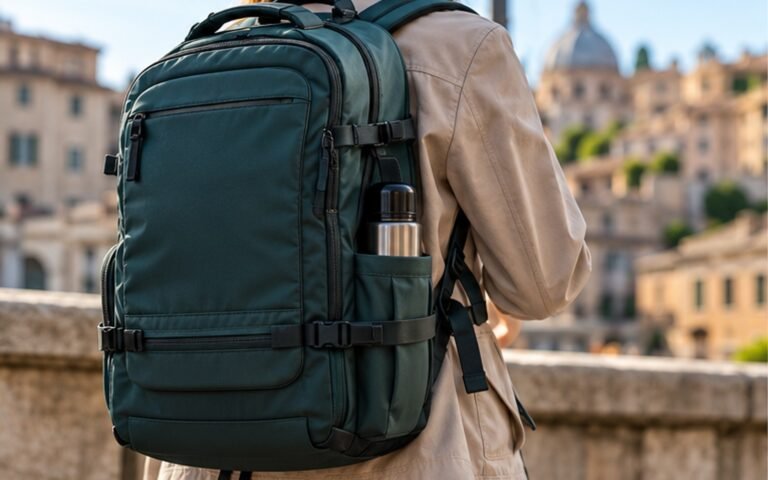
Best 30L Travel Backpacks for Short Trips
A detailed shortlist of 30L-class travel backpacks for short breaks, comparing access, harnesses, computer storage and the difference between nominal capacity and airline fit.
Read the guide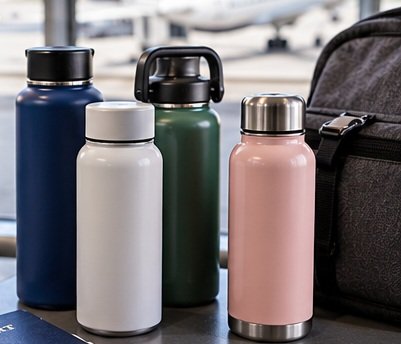
Best Insulated Water Bottles for Travel
Compare six insulated travel bottles and flasks by exact lid, capacity, weight, care and intended contents, with practical advice for airport refills and daily carrying.
Read the guide
Best Travel Mugs for Airports and Road Trips
A research-led comparison of six travel mugs, with exact lid and generation distinctions, airport-liquid checks, cup-holder advice and realistic cleaning routines.
Read the guide
Best Daypacks for Hot Weather
A research-led comparison of five hot-weather daypacks, covering suspended mesh versus close-carry panels, torso fit, water access, current model generations and why a light empty weight does not tell the…
Read the guide
Best Daypacks for City Breaks
Compare five daypacks for city breaks by everyday load, carrying mode, device storage and packability. Includes current fit cautions, an airline-dimension comparison and practical advice for pairing the day bag…
Read the guide
Best Daypacks for Beach Holidays
Choose a beach-holiday daypack for the load you really carry. Compare five bags, from structured everyday packs to tiny packable options, and learn how to keep wet kit away from…
Read the guide
Best Waterproof Daypacks for Rainy Trips
Compare five waterproof and weather-protective daypacks for rainy journeys, with clear distinctions between rain resistance, spray ratings and submersion claims, plus practical packing and closure advice.
Read the guide
Best Travel Umbrellas for Windy Cities
Find a travel umbrella you will actually carry. Compare five compact models by canopy coverage, packed length, weight and mechanism, while separating wind-tunnel claims from safe outdoor use.
Read the guide
Silicone vs Plastic Travel Bottles: Which Leak Less?
Silicone is easy to squeeze, but it is not automatically less leaky. Compare bottle closures, ingredient restrictions, filling habits and practical tests before choosing your travel toiletries kit.
Read the guide
Collapsible vs Hard-Sided Water Bottle for Travel
A practical comparison of collapsible and rigid travel bottles, with current specification examples, empty-versus-full packing trade-offs, cleaning checks and airport guidance.
Read the guide