
Packing Essentials
Build a five-zone packing system
- Clothing: one or two cubes or folded sections grouped by purpose rather than a pouch for every outfit.
- Toiletries: a leak-aware bag sized to the products actually carried, with liquids prepared for the transport rules.
- Laundry: a breathable or washable separation system that does not trap damp items indefinitely.
- Documents and valuables: one controlled location plus secure digital backups.
- Frequently used items: medication, charging cable, water, glasses and journey documents placed where they can be reached without opening the whole bag.
Packing cubes and compression organisers
Standard packing cubes mainly improve organisation. Compression cubes may reduce the volume of soft clothing, but they do not reduce weight and can encourage overpacking. Compare zip strength, fabric, shape, empty weight, washability and whether the dimensions suit the bag.
A practical test is to load the cube with the clothing intended for one trip, compress it if relevant, then check whether the result creates awkward hard edges or wasted gaps in the main bag.
Toiletry bags and liquid containers
Choose a toiletry bag according to where it will be used. Hanging designs can help in small bathrooms, while a simple flat pouch may pack more efficiently. Check the hook, lining, drying time, visibility of contents and whether leaks can be contained.
Reusable bottles should match the product. Thin liquids, oils and creams place different demands on caps and valves. Label containers clearly, do a leak test before travel and do not decant medicines into unlabelled containers when original packaging or documentation may be important.
Document organisation
A travel wallet can be useful for a family or a complex journey, but carrying every card and document together also creates a single point of failure. Separate the items needed during transit from backups and spare payment methods. Store encrypted or access-controlled digital copies where appropriate, and understand how to retrieve them without the missing phone.
Laundry and shoe separation
Use washable bags or lightweight sacks rather than heavy dedicated products unless they solve a specific need. Damp swimwear and muddy footwear need ventilation or short-term waterproof containment followed by drying; sealing them for days can create odour and damage.
Small items that often earn their space
- A compact luggage scale when weight limits are strict.
- A few reusable zip pouches for wet, dirty or easily lost items.
- A pen and a small amount of tape or a basic repair item appropriate to the trip.
- A distinctive luggage tag that does not expose more personal information than necessary.
- A spare pair of glasses or essential personal item where replacement would be difficult.
Items that often become clutter
Large sets of single-purpose pouches, bulky bottle kits, rigid organisers that do not fit the bag, duplicate document holders and novelty folding tools can add more complexity than they remove. Add one organiser at a time and keep it only if it improves a real packing routine.
Turn this system into a reusable checklist with Travel Packing Lists, then use Travel Comfort & Organisation for journey-day items.
Latest packing and organisation guides
Find detailed guidance on packing cubes, compression, toiletries, laundry systems and practical organisation.

easyJet Small Cabin Bag Packing List for a 4-Night Trip
A four-night, five-day packing plan for easyJet's included small cabin bag, with precise clothing quantities, a sensible bag layout, current battery rules and adjustments for different weather.
Read the guide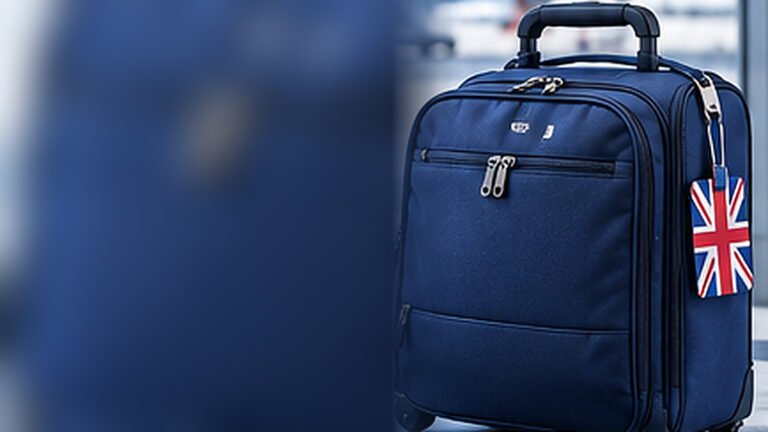
British Airways Hand-Luggage Packing List for a 7-Day Trip
Make BA's two-piece cabin allowance useful without overpacking. This seven-day plan separates seat essentials from clothing, includes a realistic laundry stop and prepares for a cabin bag going into the…
Read the guide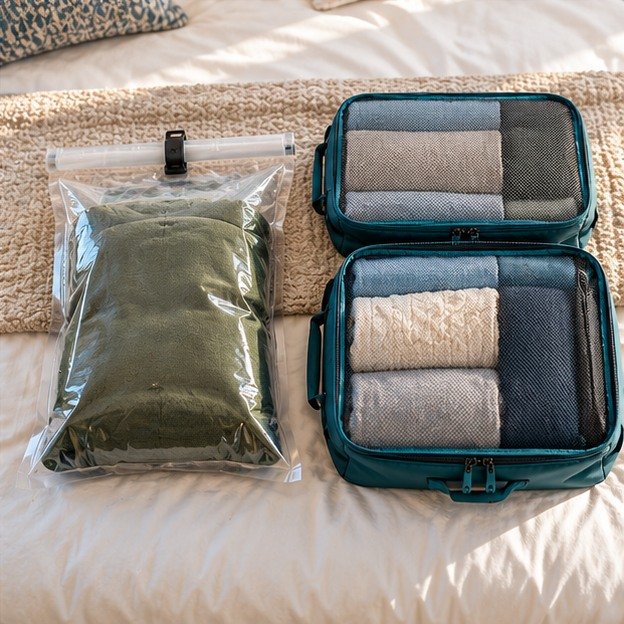
Vacuum Bags vs Compression Cubes: Which Is Better for Travel?
Choose between travel vacuum bags and zip-compression cubes by your clothing, bag shape and unpacking routine. Compare seven options without treating advertised space savings as test results.
Read the guide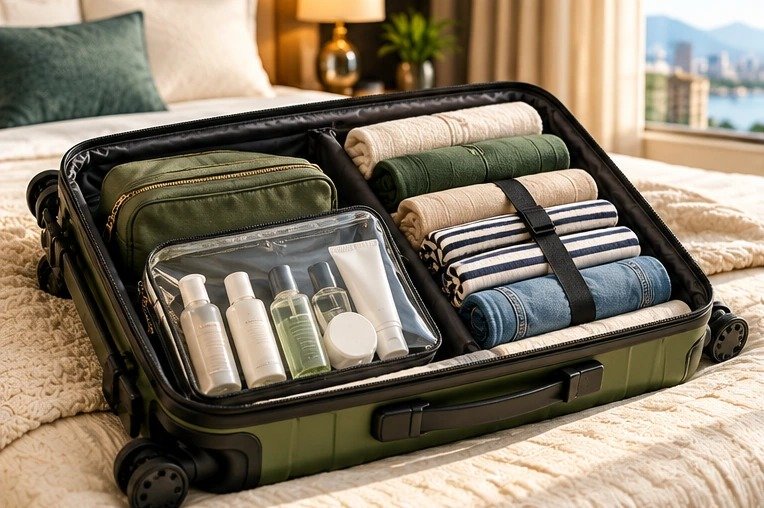
How to Stop Toiletries Leaking in Your Suitcase
Learn how to stop toiletries leaking with suitable bottles, secure closures, spill barriers and a practical packing check for cabin and checked luggage.
Read the guide
How to Pack Skincare in Carry-On Luggage
Learn how to pack skincare for carry-on travel: liquids rules, original packaging, suitable decants, quantity planning and a kit that is easy to inspect.
Read the guide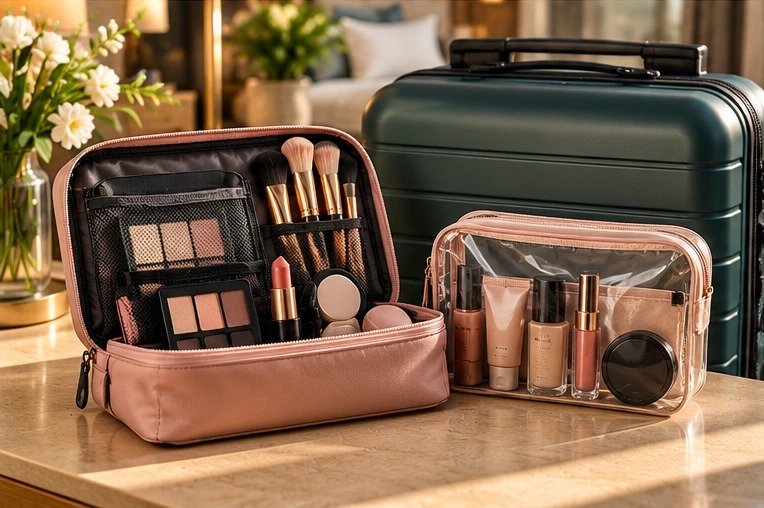
How to Pack Makeup in Hand Luggage
Learn how to pack makeup in hand luggage: separate liquids, protect palettes and brushes, check tools and choose a compact kit that survives repacking.
Read the guide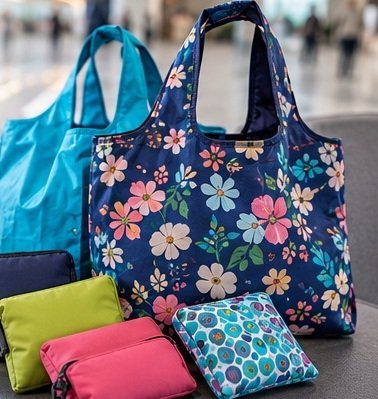
Best Foldable Shopping Bags for Travel
Seven research-led foldable shopping-bag options, from tiny pocket shoppers to a convertible tote, with practical checks for handles, food separation, rain and cabin baggage.
Read the guide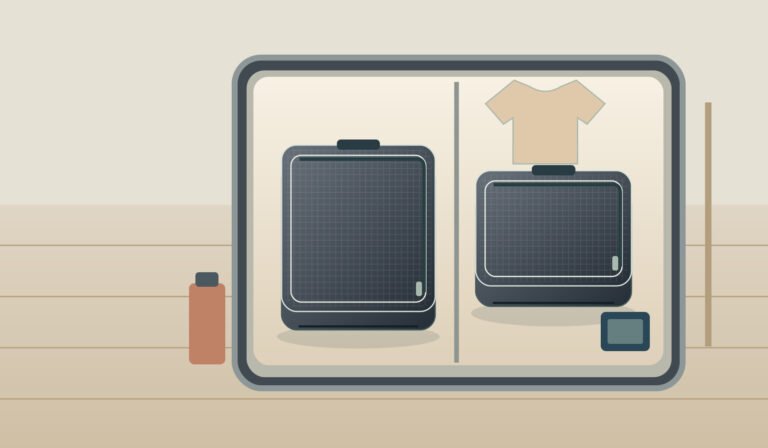
Peak Design Packing Cube Review: Research-Led Compression and Size Check
A research-led Peak Design Packing Cube review covering Small and Medium measurements, realistic compression, clean/dirty separation and current range differences. Includes practical bag-fit exercises and alternatives, without hands-on testing claims.
Read the guide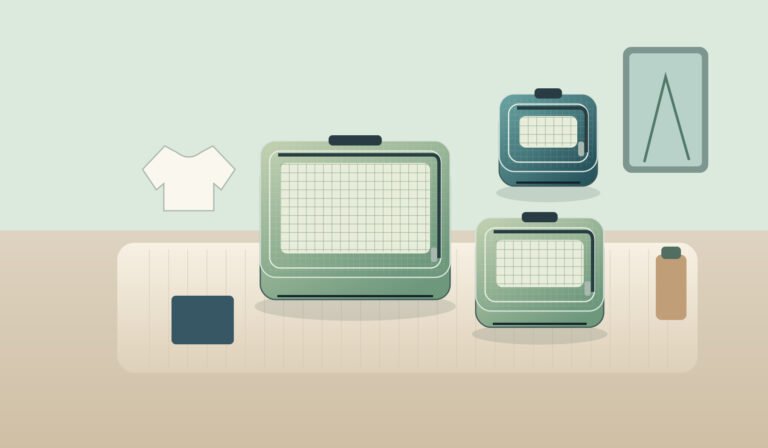
Eagle Creek Pack-It Isolate Review: Weight, Sizes and Best Uses
Compare standard and compression Eagle Creek Pack-It Isolate cubes using current published sizes and weights. This research-led guide explains practical packing layouts, version checks, care, alternatives and when a smaller…
Read the guide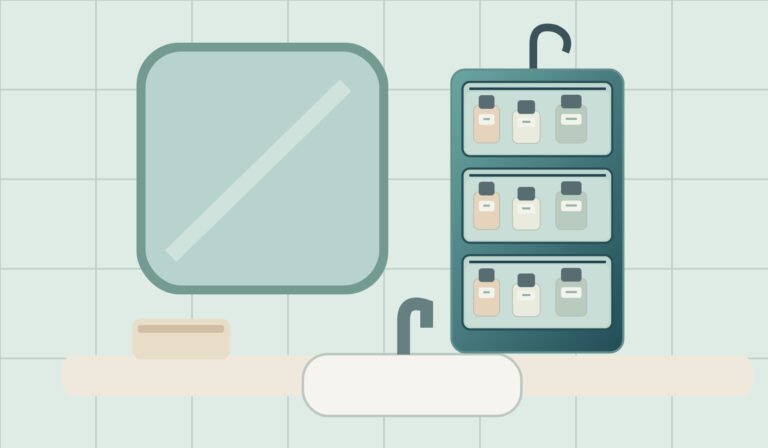
BAGSMART Hanging Toiletry Bag Review: Size, Layout and Alternatives
A detailed, research-led review of the BAGSMART Space Saver hanging toiletry bag. Check Medium and Large size references, bathroom clearance, packed bottle layouts, airport liquids, current availability and distinctly different…
Read the guide
Matador FlatPak Soap Bar Case Review: Is It Worth the Space?
This research-led Matador FlatPak Soap Bar Case review separates the current V2 from older UK listings, explains Dry-Through without fixed drying promises, and compares bar fit, packing routines, alternatives and…
Read the guide
Silicone vs Plastic Travel Bottles: Which Leak Less?
Silicone is easy to squeeze, but it is not automatically less leaky. Compare bottle closures, ingredient restrictions, filling habits and practical tests before choosing your travel toiletries kit.
Read the guide