
Travel Packing Lists
The reusable core
- Identity, tickets, booking details and any required travel documents.
- Payment methods stored in more than one place.
- Prescribed medication, supporting documents where needed and a sensible journey-day supply.
- Phone, charger, required cable and a verified power solution.
- Clothing appropriate to the trip, with a realistic laundry plan.
- Basic toiletries prepared for transport restrictions.
- Glasses, contact-lens supplies or other essential personal items.
- Emergency contacts, insurance details and access to secure document copies.
Add modules, not random extras
| Module | Examples to consider |
|---|---|
| Hot and humid | Breathable layers, sun protection, refillable water capacity, rain cover and quick-drying options. |
| Cold weather | Layering system, gloves, hat, weatherproof outer layer and footwear suitable for surfaces expected. |
| Beach and water | Swimwear, secure dry storage, suitable footwear and activity-specific safety equipment from a reputable provider. |
| Business or formal | Garment protection, wrinkle plan, backup presentation files and compatible display adapters if genuinely required. |
| Outdoor activity | Footwear, weather layers, water, navigation, illumination and first-aid items appropriate to the activity and official advice. |
| Family travel | Shared documents, accessible spare clothing, snacks, comfort items and a clear division of who carries what. |
Use a journey-day list
The bag checked into a hold, stored under a coach or placed on a luggage rack may not be accessible. Create a separate list for the items that must stay with you: documents, medication, valuable devices, a charging option, essential keys, a small hygiene kit and any immediate clothing need.
The 72-hour and 24-hour checks
About 72 hours before departure
- Check weather, transport alerts and operator baggage rules.
- Charge and update devices; download offline information.
- Confirm prescriptions, documents and payment access.
- Test the packed bag for size, weight and comfort.
About 24 hours before departure
- Complete online check-in where appropriate.
- Add last-use toiletries, chargers and medication.
- Remove “just in case” duplicates that have no defined use.
- Photograph the packed bag and any high-value contents needed for records.
Apply the one-in, one-out test
When adding a non-essential item, identify what will be removed or where the additional weight will be accepted. This keeps the list connected to the actual bag limit rather than an unlimited wish list.
Future packing-list guides
New checklists can be built for cabin-only trips, long-haul journeys, family travel, city breaks, outdoor holidays and specific destinations. Each should state the season, trip length, transport assumptions and the date that any changing rules were checked.
Use Packing Essentials to organise the list and Luggage & Bags to confirm that the chosen system fits the bag.
Latest travel packing lists
Use destination, climate, transport and trip-style checklists to build a packing list that fits the journey.
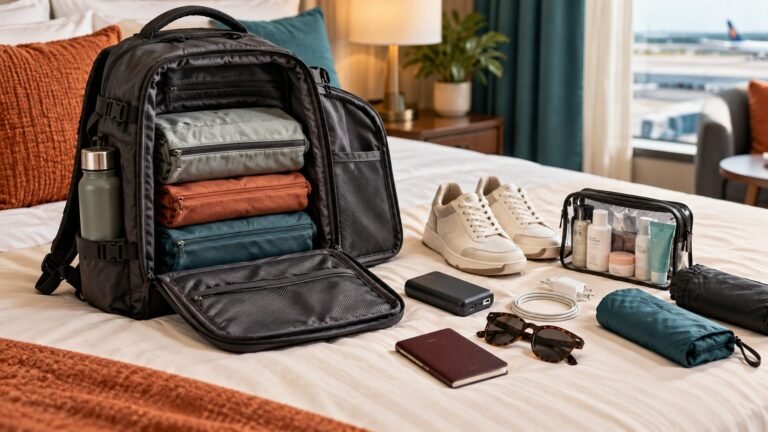
Ryanair Personal-Item Packing List for a 3-Night Trip
Pack for three nights in Ryanair's free small bag, with an outfit-by-outfit plan, realistic space trade-offs and a boarding-ready checklist.
Read the guide
easyJet Small Cabin Bag Packing List for a 4-Night Trip
A four-night, five-day packing plan for easyJet's included small cabin bag, with precise clothing quantities, a sensible bag layout, current battery rules and adjustments for different weather.
Read the guide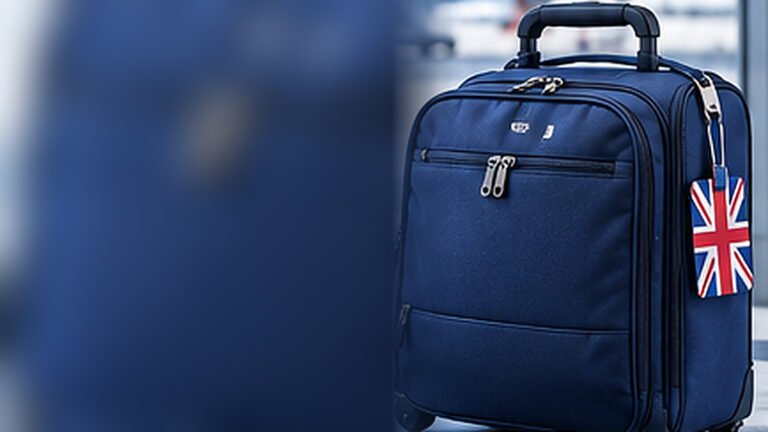
British Airways Hand-Luggage Packing List for a 7-Day Trip
Make BA's two-piece cabin allowance useful without overpacking. This seven-day plan separates seat essentials from clothing, includes a realistic laundry stop and prepares for a cabin bag going into the…
Read the guide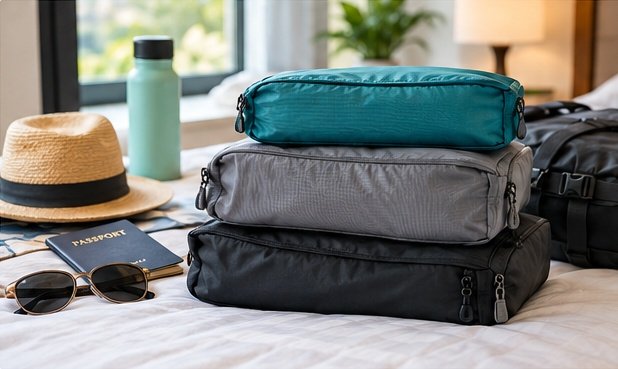
Best Ultralight Packing Cubes
A research-led guide to ultralight packing cubes, with published weights, size comparisons, retailer discrepancies and practical ways to reduce organiser bulk without sacrificing useful access.
Read the guide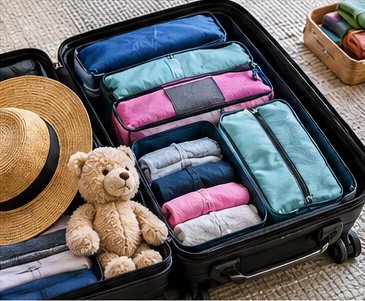
Best Packing Cubes for Families
Compare six packing-cube sets for family travel, then build a practical system for personal clothing, shared suitcases, accessible changes, labels and the growing laundry collection.
Read the guide
Best Packing Cubes for Backpacks
A detailed guide to choosing packing cubes around a backpack’s opening, usable dimensions and loaded shape, with six product options, fit calculations and repeatable pre-trip tests.
Read the guide
Peak Design Packing Cube Review: Research-Led Compression and Size Check
A research-led Peak Design Packing Cube review covering Small and Medium measurements, realistic compression, clean/dirty separation and current range differences. Includes practical bag-fit exercises and alternatives, without hands-on testing claims.
Read the guide
Garment Folder vs Packing Cube: Which Keeps Clothes Neater?
Garment folders and packing cubes solve different problems. Compare their construction, garment fit, weight and access, then build a small system that keeps your particular clothes organised.
Read the guide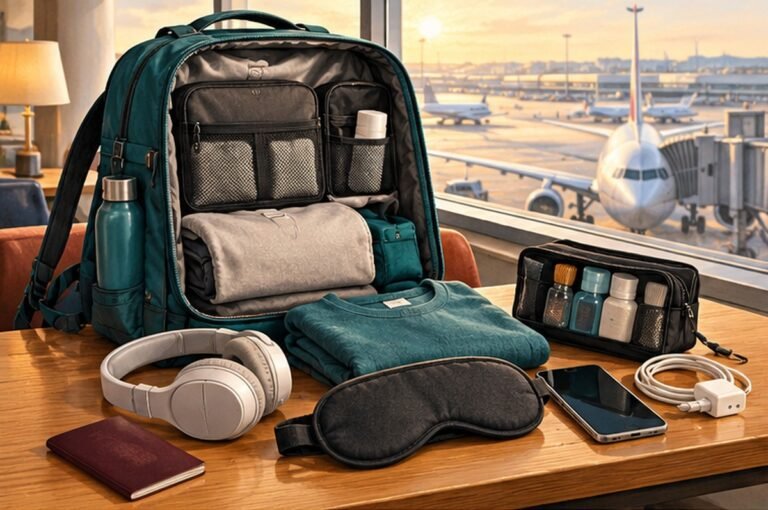
Long-Haul Flight Carry-On Packing List
Pack a long-haul cabin bag around easy access, safe battery carriage and a useful clothing backup. This research-led checklist separates seat essentials from holiday luggage, with practical bag choices and…
Read the guide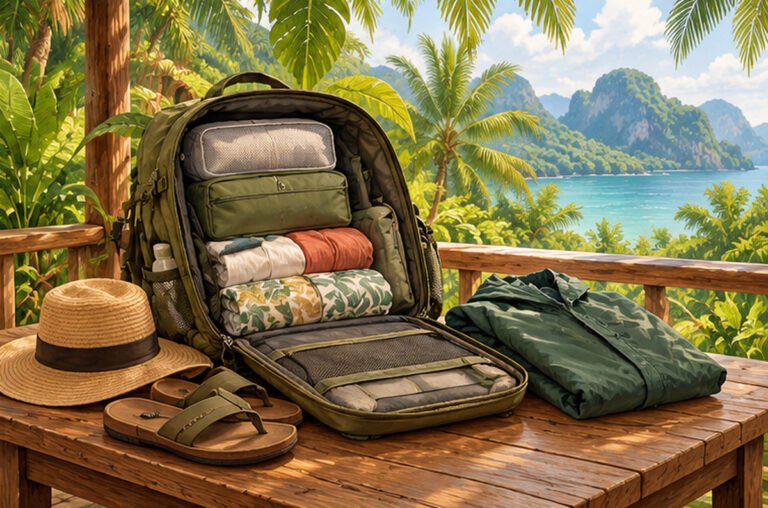
Southeast Asia One-Bag Packing List for Hot and Humid Weather
Build a manageable hot-weather backpack with a repeatable wardrobe, realistic laundry routine and removable personal kit. Includes an illustrative 5.5kg weight budget, airline checks, moisture management and carefully qualified gear…
Read the guide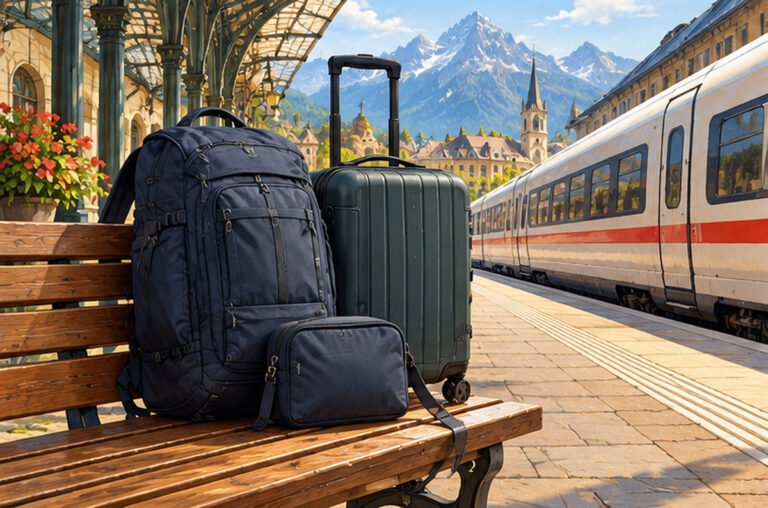
Europe Train-Travel Packing List for Multi-City Trips
Pack for repeated railway transfers rather than the largest luggage allowance. Compare operator rules, organise a compact seat kit and build a realistic wardrobe and laundry plan for a multi-city…
Read the guide
Packing Cubes vs Rolling Clothes: Which Saves More Space?
Cubes organise and rolling changes garment shape, so they can work together. Compare standard and compression cubes with loose rolls and folds using the same clothes, bag and weight allowance.
Read the guide