
Travel Safety & Security Gear
Use layers
- Reduce exposure: carry less, keep valuables discreet and avoid leaving essential items together.
- Deter casual access: use appropriate zips, closures or locks where they are permitted and useful.
- Detect loss: label bags, keep photographs and use tracking technology where compatible and lawful.
- Limit the impact: separate payment methods, maintain secure backups and know how to block accounts.
- Recover: keep insurer, operator, embassy or consular and local reporting information accessible.
Luggage locks
A small lock can discourage casual opening and show that a zip has been disturbed, but it cannot make soft luggage secure against determined access. Check whether the operator or inspection authority may need access, whether the lock fits without straining the zip and whether you can open it reliably in poor light or under time pressure.
Do not attach a lock where it can catch on handling equipment. Never use a lock in a way that blocks required access or conflicts with accommodation, transport or safety rules.
Trackers
Trackers can provide useful location information, but network coverage, update frequency, battery state, privacy alerts and operator rules affect performance. They do not replace the formal lost-baggage process. Record the device identifier, understand how to share useful information safely and avoid confronting another person based only on a location signal.
“Anti-theft” bags and RFID claims
Evaluate the actual features: zip placement, cut-resistant material, strap construction, locking points and access while worn. No design is theft-proof, and extra hardware can increase weight or slow everyday use.
RFID-blocking products may be useful for a specific contactless-card or document concern, but broad fear-based claims should be treated cautiously. Identify the actual technology and risk before buying. Ordinary account controls, transaction alerts and secure storage may be more important.
Documents and digital backups
- Carry only the documents and cards needed.
- Store copies securely with access that does not depend solely on the missing device.
- Keep emergency contact and policy numbers offline.
- Use strong device access controls and enable recovery options before travel.
- Know how to block cards, SIMs and accounts quickly.
Accommodation security accessories
Portable door devices, alarms and safes have limitations and may be unsuitable for some doors, emergency exits or shared accommodation. Never use a device that could delay evacuation, prevent authorised emergency access or breach accommodation rules. Check fire-safety implications and rely on the property’s official security procedures where appropriate.
Personal alarms and visibility
A non-weapon alarm or light may attract attention, but local law, transport security and the environment still matter. Learn how it operates and avoid items that could be mistaken for weapons or are prohibited. The site does not recommend carrying illegal or restricted defensive items.
When an item is lost or stolen
- Move to a safe place and deal with immediate personal risk first.
- Use official account, card or device controls.
- Report the loss through the relevant operator or local process.
- Preserve reference numbers, receipts, photographs and screenshots.
- Contact the insurer within the required time and follow its evidence rules.
Safety information changes by country and operator. Verify critical rules with official sources. For technology planning, see Travel Tech; for journey-day storage, see Travel Accessories for Transport.
Latest travel safety and security guides
Read practical guidance on locks, trackers, anti-theft features, backups and loss preparation.

What Information Should You Put on a Luggage Tag?
Put your name, an internationally usable telephone number and a monitored email address on a luggage tag, preferably behind a privacy flap. Add a similar contact card inside the bag.…
Read the guide
How to Photograph Luggage Before a Flight for Loss or Damage Claims
Photograph the closed suitcase from all sides, then record wheels, handles, zips, existing marks, its model label and the packed contents. Take a final tagged-bag picture at bag drop where…
Read the guide
Checked-Bag Security Checklist: Tag, Tracker, Photos and Receipts
Before checking a bag, remove cabin-only items, inspect the case, add current contact details inside and outside, test any permitted tracker, photograph the bag and contents, and save receipts separately.…
Read the guide
Best Cable Locks for Hostel Lockers and Luggage
A practical comparison of short cable padlocks and longer luggage tethers. Check locker fit, identify TSA-compatible designs and understand why thin cable locks are convenience deterrents rather than high-security protection.
Read the guide
Best Passport Neck Wallets for Travel
A research-led passport neck-wallet guide covering fit, document access, protected pockets, moisture and realistic security. Compare Lifeventure, Pacsafe, Eagle Creek, Travel Blue and Shacke.
Read the guide
Best Portable Door Locks for Hotel Rooms: Safety and Compatibility Checks
Compare Addalock, Howsarlock, DoorJammer DJ3 and DJ5, with a SABRE alarm alternative. Learn when hotel door accessories are unsuitable and which fit and exit checks matter.
Read the guide
Best Anti-Theft Crossbody Bags
Compare five anti-theft crossbody bags from Pacsafe and Travelon by capacity, opening security, strap design and daily carry. Includes honest limits and practical fit checks.
Read the guide
Best Travel Wallets With Separate Backup-Card Storage
Choose a travel wallet around genuinely separate backup-card storage. Compare a detachable TORRO organiser, a slim add-on and three main-wallet alternatives, with clear explanations of what is included and what…
Read the guide
Are Slash-Resistant Bags Worth It?
A practical guide to the value and limits of slash-resistant bags: what is reinforced, what is not, how to assess manufacturer claims and when an ordinary backpack makes more sense.
Read the guide
Luggage Strap vs Luggage Lock
Straps and locks solve different luggage problems. This guide compares containment, identification, closure restraint, fitting, screening access and when an extra accessory adds little.
Read the guide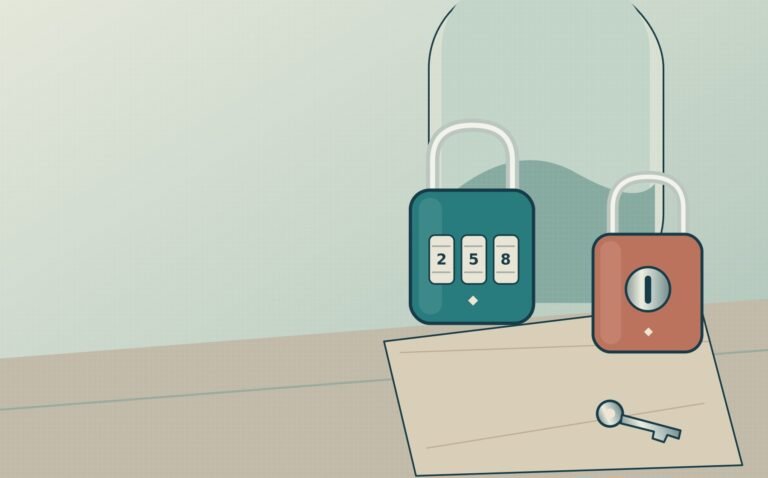
Combination vs Key Luggage Locks
A research-led comparison of combination and key-operated luggage locks covering owner access, inspection keyholes, code management, shared luggage, physical fit and realistic protection.
Read the guide
Money Belt vs Neck Wallet
Compare money belts and neck wallets by clothing, access and comfort rather than theft-proof promises. Includes researched examples, a practical fit rehearsal and a separated-backup system.
Read the guide