
Hotel Safe vs Portable Travel Lock Box
Compare a hotel room safe with a portable lock box by the complete storage system: installation, cable, anchor, contents, access and realistic protection limits.

Compare a hotel room safe with a portable lock box by the complete storage system: installation, cable, anchor, contents, access and realistic protection limits.

Understand the difference between an audible door alert and a removable mechanical restraint, with model-specific fit checks and emergency-exit cautions.

Compare hidden clothing pockets and money belts by fit, attachment, comfort and passport capacity, with a practical plan for everyday spending and a separate reserve.

Compare money belts and neck wallets by clothing, access and comfort rather than theft-proof promises. Includes researched examples, a practical fit rehearsal and a separated-backup system.
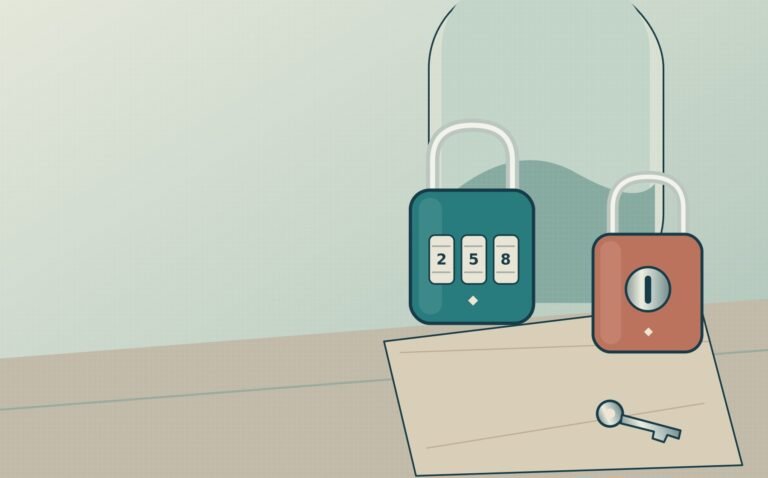
A research-led comparison of combination and key-operated luggage locks covering owner access, inspection keyholes, code management, shared luggage, physical fit and realistic protection.

Straps and locks solve different luggage problems. This guide compares containment, identification, closure restraint, fitting, screening access and when an extra accessory adds little.

RFID-blocking travel wallets solve a narrow radio-frequency problem. This evidence-led guide separates contactless skimming, stolen-card use, passport privacy and online fraud so you can decide whether shielding is useful or simply reassuring.
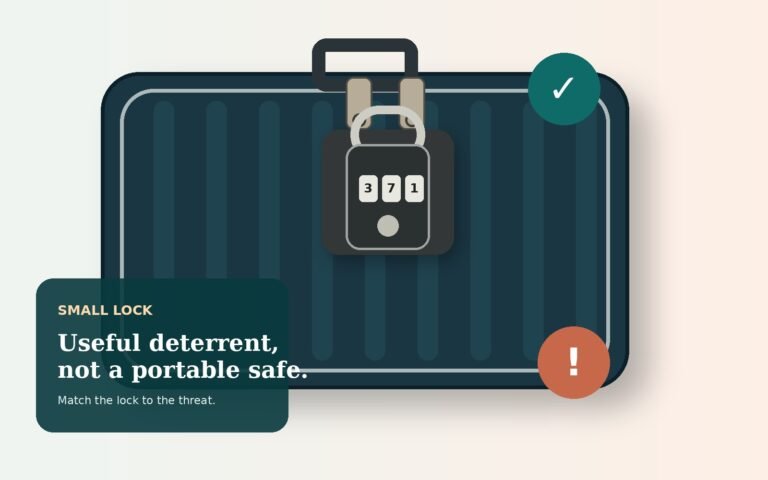
Luggage locks can deter quick access and keep zip pulls together, but they cannot secure the whole bag. This guide explains TSA-recognised locks, lock types, realistic threats, setup and the valuables that should remain in cabin baggage.

Anti-theft backpacks can slow opportunistic access, but no bag makes valuables theft-proof. This practical guide ranks secured zips, hidden pockets, cut-resistant materials, anchor points and RFID pockets by the problem each one can realistically solve.